

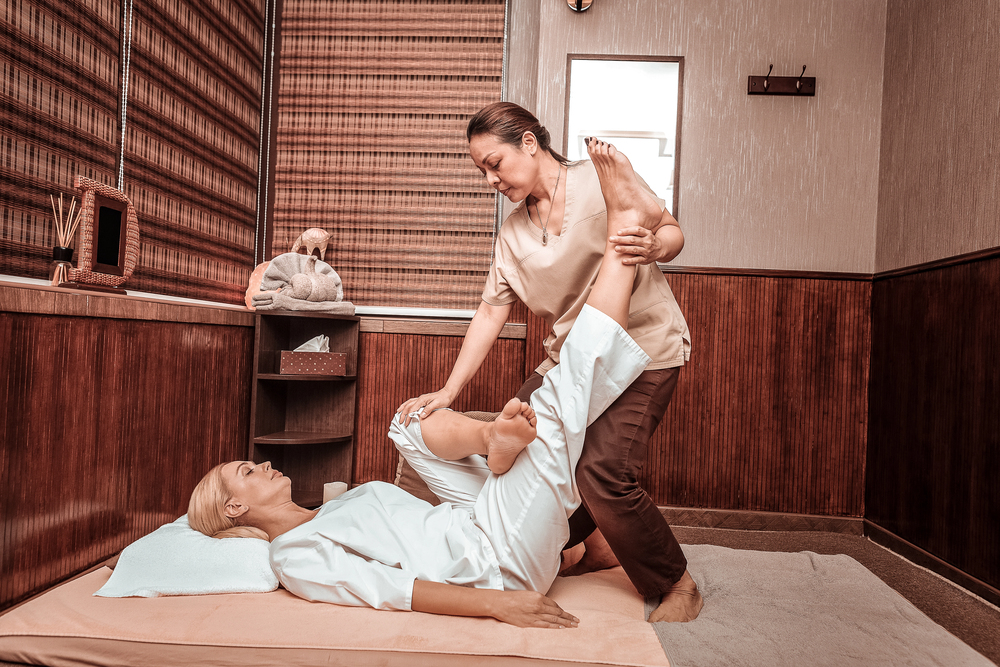
When you book a Thai massage, you are stepping into an experience that blends ancient traditions with modern wellness practices. Unlike typical Western massages that use oils and focus on gentle kneading, Thai massage is a holistic approach aimed at restoring balance to both your body and mind. The technique is a unique fusion of acupressure, yoga-like stretches, and deep pressure that can leave you feeling recharged and completely relaxed.
This therapy has roots dating back over 2,500 years, rooted in Ayurvedic medicine, and it is as much about healing as it is about relaxation. While the experience may differ slightly depending on the location, the key principles of Thai massage remain consistent.
Here, we will explore what you can expect during a typical Thai massage session, from the moment you walk into the final stretch.
The Setting and Initial Steps of Your Thai Massage
Upon arrival at a traditional Thai massage facility like Baiboon Thai Massage, you will be greeted warmly and given time to prepare for your session. Thai massages are often performed on a soft mat laid on the floor, rather than a massage table.
In a peaceful setting, you will be asked to change into comfortable, loose-fitting clothes—often a shirt and pants that allow the therapist to maneuver your body with ease. The lack of oils and lotions makes it vital to wear clothing that can stretch without restriction.
Once you’re ready, you will settle onto the mat, where the therapist will guide you through a sequence of movements, ensuring you are comfortable throughout the session. This marks the beginning of your therapeutic Thai massage.
The Techniques: Pressure and Stretching
The hallmark of a Thai massage is the incorporation of deep, rhythmic pressure along specific pressure points, known as acupressure. Thai massage therapists use their palms, thumbs, elbows, and even their feet to apply pressure to these points along the body’s meridian lines.
Unlike a Swedish massage, where the therapist might focus on muscle relaxation with long strokes, Thai massage involves more active participation. Expect your therapist to gently stretch your body, using your limbs as levers for a deeper stretch. The goal is to not just relieve muscle tension but to improve flexibility, release blocked energy, and stimulate blood circulation.
At Baiboon Thai Massage, our therapists combine these ancient techniques with modern methods to tailor the massage experience to your specific needs. If you are seeking relief from chronic pain or simply wish to relax and rejuvenate, our therapists can adapt the pressure and movements accordingly.
A Common Thai Massage Sequence
A typical Thai massage session follows a systematic sequence designed to ensure that all parts of the body receive equal attention. Initially, the therapist will begin with the feet and legs. This might be an unfamiliar area of focus if you are used to Western styles of massage, but the feet hold several pressure points that can significantly impact the overall relaxation process.
After addressing the lower body, the therapist will move to your back and shoulders, areas that often carry the most tension. Here, the therapist might apply firm pressure using their thumbs or forearms, targeting knots and tight muscles.
You may even find your therapist stepping on your back at times. This technique is especially beneficial for releasing stubborn muscle tension.
Next, expect a series of stretches that will require you to actively participate. You might find yourself twisted into yoga-like poses, with your limbs gently pulled or your back extended to open up stiff joints and tight muscles. Although these stretches may feel intense, they are meant to invigorate your body and increase flexibility.
As the session continues, the therapist will move to your neck, head, and arms, offering final stretches and pressure relief. The experience culminates in a series of subtle movements designed to release any lingering tension and align your body. A Thai massage ends with you lying back in a relaxed state, ready to stand tall and feeling renewed.
The Benefits of Thai Massage
A therapeutic Thai massage offers much more than just relaxation. It is a holistic therapy that addresses several physical and emotional concerns. One of the primary benefits is its ability to improve circulation. The combination of deep pressure and stretching encourages blood flow throughout the body, promoting the healing of stiff joints and tense muscles.
Moreover, Thai massage helps with flexibility. The deep stretches used during the massage target muscles that are often neglected in regular fitness routines. This improves both range of motion and overall mobility.
Stress relief is another powerful benefit of Thai massage. The massage technique helps activate the parasympathetic nervous system, which reduces stress hormones and promotes a sense of calm and relaxation. Many people who experience Thai massage report better sleep and a reduction in feelings of anxiety and mental fatigue.
Finally, Thai massage can assist with muscle pain relief. If you are an athlete recovering from a workout or someone suffering from chronic tension, the massage works out knots and alleviates discomfort, giving both immediate and long-term relief.
Why Choose Thai Massage for Your Wellness Routine?
If you are looking for a massage that goes beyond mere relaxation, Thai massage might be the perfect choice for you. While Western massages focus on muscle relaxation, Thai massage uses pressure and stretching to balance the body and mind. At Baiboon Thai Massage, we tailor each session to meet the specific needs of our clients, ensuring that you feel relaxed and rejuvenated.
A Word of Caution: Intensity of Thai Massage
It is important to note that Thai massage can be quite intense, particularly for those who are new to this type of therapy. The deep pressure applied can sometimes feel uncomfortable, especially during the first few sessions. If you prefer a gentler approach, it is always advisable to communicate your preferences to the therapist.
Some clients may experience soreness following their session, similar to how your body feels after a good workout. However, this soreness is typically short-lived and is often followed by a greater sense of relief and flexibility.
- Intensity of Thai Massage: The deep pressure and assisted stretching techniques of Thai massage can feel intense, particularly for first-timers, as they work deeply into muscle tissues and pressure points.
- Soreness: Some clients may feel soreness similar to post-workout discomfort, but this sensation is typically short-lived and is followed by a greater sense of relief and flexibility.
- Release of Toxins: The deep pressure and stretching target muscle tissues and pressure points, helping to release stored toxins.
- Improved Blood Circulation: The massage improves circulation, aiding in the healing of tight muscles and enhancing overall blood flow, which supports muscle recovery and promotes relaxation.
- Temporary Discomfort: Soreness after the session indicates the massage is effectively releasing muscle tension and improving flexibility.
- Long-Term Benefits: With regular Thai massage, soreness reduces, leading to better mobility, flexibility, improved posture, and reduced muscle pain.
How Baiboon Thai Massage Helps You Achieve Relaxation and Healing
At Baiboon Thai Massage, we focus on your individual needs. Our experienced therapists are trained in both traditional Thai techniques and modern therapeutic approaches, allowing us to customize your massage experience.
If you seek stress relief, pain management, or flexibility improvement, our Thai massage offerings are designed to restore your body to its optimal state of well-being.
We invite you to experience the healing power of traditional Thai massage at our San Diego and Carlsbad locations, where every session is a step toward a more balanced, relaxed, and healthy life.

