

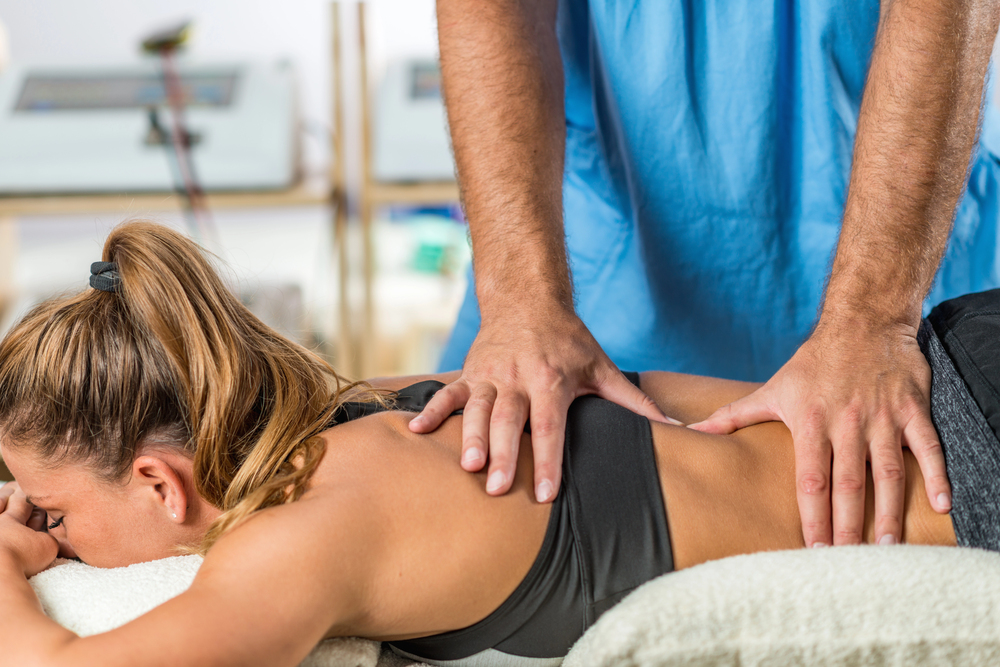
Running is one of the simplest and most rewarding ways to stay fit, but it can also take a toll on your body. That is why many athletes and hobbyists alike turn to sports massage for runners to enhance recovery and maintain peak performance. This specialized massage targets the muscles most used in running and helps prevent injuries that can interrupt your training routine.
Unlike a relaxation massage, sports massage treatment focuses on muscle groups affected by repetitive strain. It helps runners loosen tight areas, increase flexibility, and recover faster after long runs or races. In this article, we will explore what makes this type of massage essential, the benefits it offers, the techniques used, and how often runners should get it to stay injury-free and perform their best.
What is Sports Massage?
Sports massage is a therapeutic approach designed to help athletes prepare for training, recover after activity, and maintain healthy muscle function. While anyone can benefit from it, sports massage treatment is particularly beneficial for individuals who engage in repetitive physical activities, such as running.
This form of massage employs various techniques, including deep tissue manipulation, friction, and assisted stretching, to reduce muscle tension and enhance circulation. The main goal is to restore balance to the musculoskeletal system and prevent overuse injuries.
What sets sports massage apart from a regular massage is its targeted focus. A therapist trained in this method understands how specific muscle groups work during running. For instance, they pay close attention to the hamstrings, calves, quadriceps, and glutes – the key muscles that power each stride.
Why Runners Need Sports Massage Treatment
Running regularly, especially over long distances, puts stress on your muscles and joints. Microtears and tightness can build up over time, leading to stiffness, pain, or even injury. That is why sports massage treatment is crucial for runners at any level.
Common running-related issues include tight calves, iliotibial (IT) band syndrome, and hamstring strains. Massage helps relieve tension in these areas, improving mobility and promoting blood flow to accelerate healing.
Sports massage also helps maintain proper muscle alignment and posture. When one muscle group is tight, it can cause imbalances that affect running form. Regular sessions can correct these imbalances and reduce the risk of chronic pain.
Most runners benefit from scheduling a session every two to three weeks during intense training periods. Others prefer getting a massage before a big race to prepare their muscles and again afterward to promote faster recovery.
Techniques Used in Sports Massage for Runners
There are several techniques that make sports massage for runners effective. Each one targets different stages of training and recovery.
- Pre-event massage: This is performed shortly before a run or race to warm up the muscles. The therapist uses fast, light movements to stimulate blood flow without causing soreness.
- Post-event massage: This technique focuses on calming the muscles and reducing stiffness after running. It involves slower, deeper strokes to promote relaxation and remove lactic acid buildup.
- Maintenance massage: Done regularly between events, this helps prevent tightness and keeps muscles flexible.
Common techniques include:
- Effleurage (long, gliding strokes) to improve circulation.
- Petrissage (kneading) to release knots.
- Friction to break down scar tissue.
- Stretching to lengthen and relax the muscles.
A skilled therapist combines these methods based on the runner’s specific needs and pain points.
The Benefits of Sports Injury Massage
The benefits of sports injury massage go far beyond immediate relaxation. For runners, this specialized therapy can be the key to maintaining long-term health, improving flexibility, and enhancing performance. Whether you’re an elite athlete or a casual jogger, consistent massage sessions can help your body recover faster and perform at its best.
- Faster Recovery and Reduced Muscle Soreness
After long runs or intense training sessions, muscles can develop tiny tears known as microtrauma. This leads to inflammation, stiffness, and soreness. Sports injury massage promotes faster recovery by increasing blood circulation and lymphatic flow. This process delivers oxygen and nutrients to damaged tissues while flushing out toxins and lactic acid.
As a result, the healing process accelerates, and the muscles recover more efficiently. Runners often notice that they can return to training sooner and experience less post-run fatigue after regular massage therapy. Faster recovery also means reduced risk of overtraining or burnout during competitive seasons.
- Improved Flexibility and Range of Motion
Another important benefit of sports injury massage is improved flexibility. Tight muscles restrict movement, forcing the body to compensate and increasing the chance of strain or imbalance. Through deep tissue manipulation and stretching techniques, massage loosens connective tissue and breaks down adhesions between muscle fibers.
Greater flexibility in the legs, hips, and lower back supports proper running form and stride efficiency. This allows runners to move more freely and maintain endurance over long distances. Over time, an improved range of motion also prevents recurring tightness and supports joint stability.
- Enhanced Muscle Coordination and Performance
Running relies heavily on the coordination between multiple muscle groups—particularly the calves, hamstrings, quadriceps, and glutes. When one group becomes too tight or fatigued, it can disrupt the entire kinetic chain. Sports injury massage helps restore muscle balance, allowing each area to function smoothly and efficiently.
This improved coordination leads to better stability and more consistent performance. Many runners also report reduced cramping and improved stride rhythm after incorporating regular massage into their recovery routine.
- Rehabilitation from Common Running Injuries
One of the most powerful roles of sports injury massage is in rehabilitation. For runners recovering from injuries such as shin splints, calf strains, or plantar fasciitis, massage accelerates the healing process. Therapists use specific strokes to reduce scar tissue buildup and restore elasticity in the muscles and tendons.
By breaking down adhesions, massage improves the flow of nutrients to damaged areas and helps rebuild stronger, more resilient tissue. Regular sessions shorten recovery time and reduce the likelihood of re-injury. When combined with proper stretching and rest, massage becomes an essential part of a runner’s recovery plan.
- Stress Relief and Mental Recovery
Running challenges both the body and mind. Overtraining, fatigue, and competition can all lead to mental stress. Massage helps reduce anxiety and promotes overall relaxation by lowering cortisol levels and stimulating the release of endorphins.
After a sports injury massage, many runners feel calmer, more focused, and mentally refreshed. This positive mental state contributes to better sleep, improved motivation, and a healthier approach to training. A relaxed mind supports better physical performance and recovery.
- Long-Term Injury Prevention
Perhaps the most valuable benefit of sports injury massage is its preventive power. Regular sessions address muscle tightness before it develops into pain or serious injury. By keeping tissues supple and balanced, massage minimizes the strain placed on joints and tendons.
Small aches that might otherwise grow into chronic problems can be managed early. For dedicated runners, this proactive approach means fewer setbacks, more consistent training, and greater longevity in the sport.
What to Expect During a Sports Massage Session
Before starting a session, your therapist will usually conduct a short consultation. They will ask about your running habits, any pain you are experiencing, and your overall health condition. This helps them tailor the sports massage treatment to your specific needs.
During the session, the therapist applies varying pressure to different muscle groups, paying special attention to tight or sore areas. You might feel slight discomfort when knots are being worked out, but this should not be painful. Communicating with your therapist helps them adjust the intensity to your comfort level.
After the session, drink plenty of water to help flush out toxins released during the massage. Light stretching and rest for the next 24 hours will enhance the results and allow your body to recover fully.
When and How Often Should Runners Get a Sports Massage
The frequency of sports massage for runners depends on training volume and intensity. Runners who train daily or prepare for marathons may benefit from weekly sessions. Recreational runners can schedule a massage every two to four weeks to maintain muscle health.
The timing of the massage also matters. A light massage two days before a race helps prepare muscles without causing fatigue. After a race, a recovery session 24 to 48 hours later promotes healing and prevents stiffness.
If you start noticing persistent tightness, soreness, or reduced flexibility, it is a sign you might need a sports massage for runners soon. Listening to your body and scheduling regular maintenance can prevent problems before they become serious.
Combining Massage with Other Recovery Methods
While sports injury massage plays a major role in recovery, it works best when combined with other methods. Runners can use foam rollers and stretching routines to maintain flexibility between sessions. Proper hydration and nutrition also support muscle repair.
Adding physiotherapy, yoga, or strength training can further improve muscle balance and prevent overuse injuries. Sports injury massage complements these practices by addressing muscle knots and helping the body return to its optimal state.
A holistic recovery plan that includes massage, rest, and mobility work ensures that runners can train consistently without risking burnout or chronic pain.
Choosing the Right Massage Therapist
Finding a therapist who specializes in sports massage for runners makes a big difference. Not all massage therapists have experience dealing with the specific demands of running. Look for professionals who understand anatomy, sports performance, and recovery.
A good therapist will discuss your goals, explain techniques, and listen to your feedback throughout the session. Comfort and trust are essential to a successful experience.
When choosing a therapist, make sure they are certified or licensed and have experience providing sports massage treatment to athletes. Their expertise ensures that pressure is applied correctly and safely, maximizing the benefits for your body.
Recovery Starts with the Right Care
Runners of all levels can benefit from consistent sports massage for runners sessions. They not only reduce pain and stiffness but also improve overall performance and prevent future injuries. By integrating this into your regular training routine, you invest in long-term health and mobility.
Working with a licensed professional ensures that every sports massage treatment is tailored to your body’s needs. Proper recovery helps you enjoy running more and stay active for years to come.
At Baiboon Thai Massage, we provide professional Thai sports massage and stretching performed by licensed therapists. We specialize in traditional Thai techniques that combine stretching and deep tissue work to relieve pain and improve flexibility. We also offer deep tissue massage, Swedish massage, and Thai massage combo to meet your unique recovery needs.

